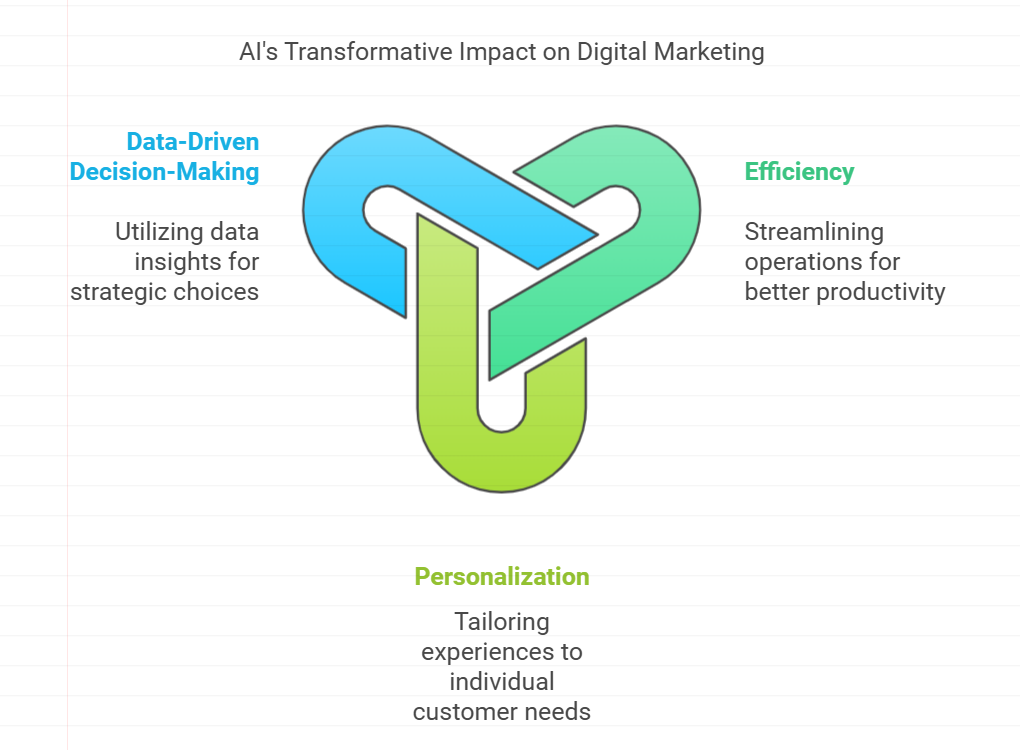
In recent years, artificial intelligence (AI) has revolutionized various industries, and digital marketing is no exception. As businesses strive to enhance customer experiences and streamline operations, AI technologies have emerged as invaluable tools in the marketer’s arsenal. This blog explores the latest inventions and additions in AI that are shaping the future of digital marketing, highlighting how they can drive efficiency, personalization, and data-driven decision-making.
Understanding AI in Digital Marketing
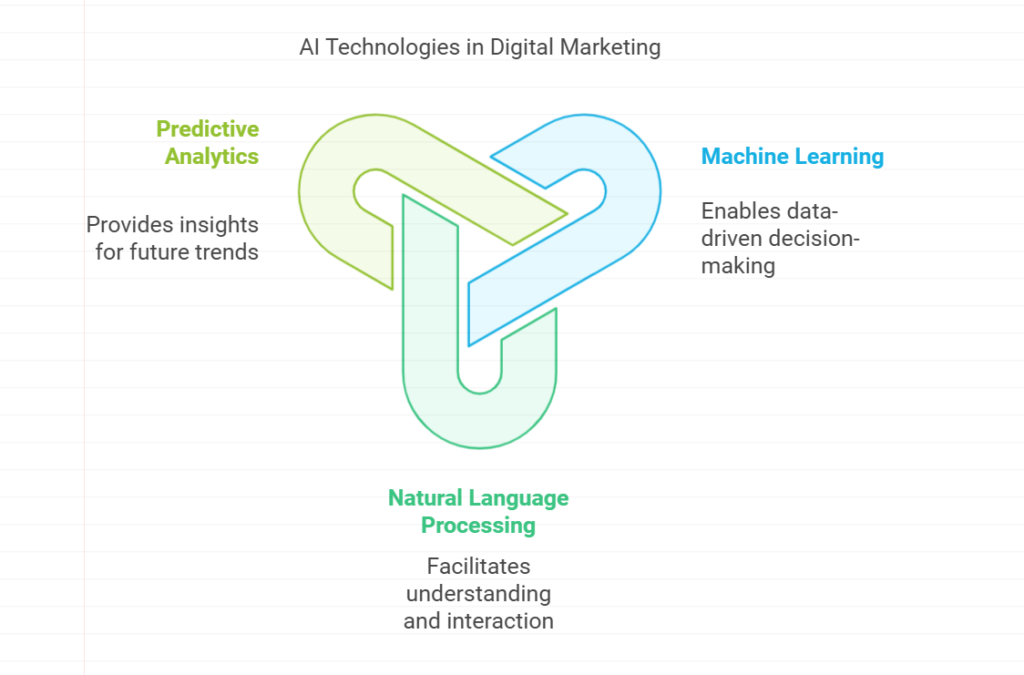
AI refers to the simulation of human intelligence in machines programmed to think and learn like humans. In the context of digital marketing, AI encompasses a range of technologies, including machine learning, natural language processing, and predictive analytics. These technologies enable marketers to analyze vast amounts of data, automate processes, and create personalized experiences for consumers.
Enhanced Data Analysis and Insights
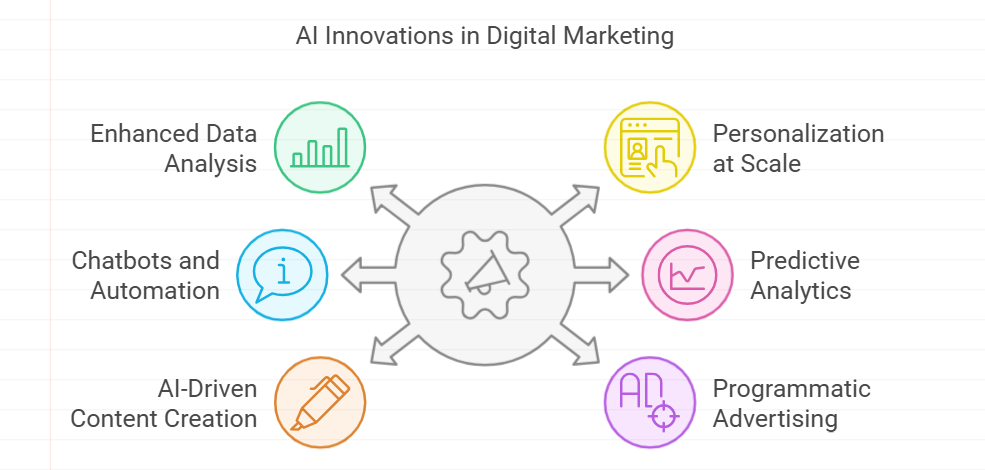
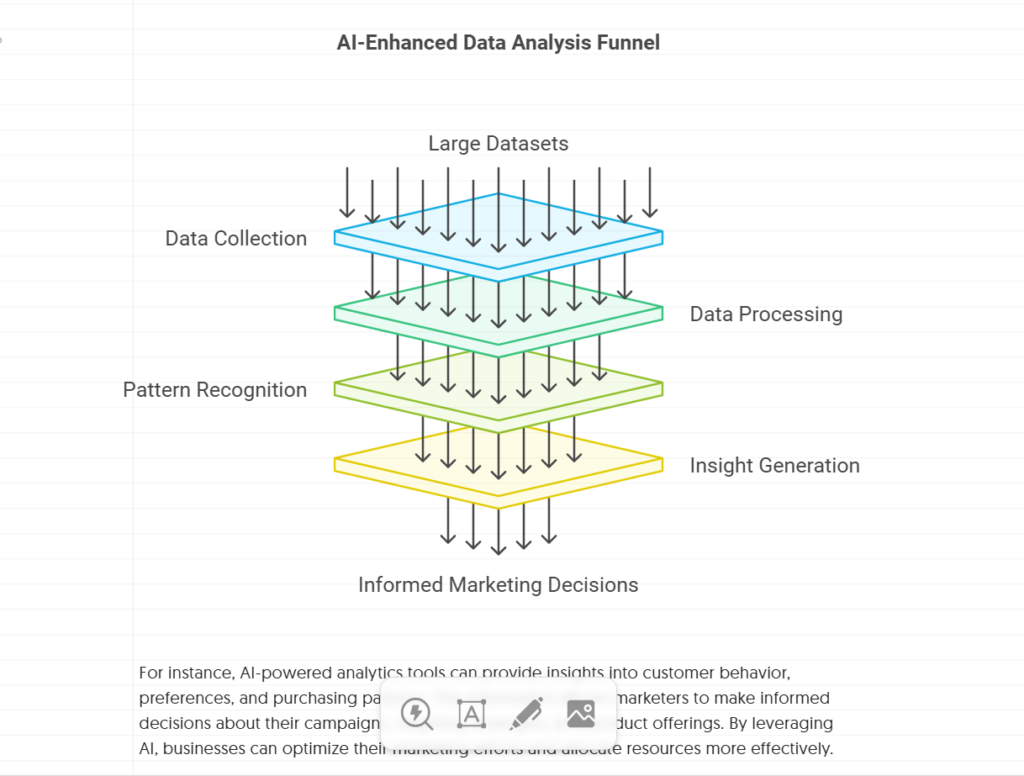
One of the most significant contributions of AI to digital marketing is its ability to analyze large datasets quickly and accurately. Traditional data analysis methods can be time-consuming and prone to human error. However, AI algorithms can sift through complex data sets to identify patterns and trends that might go unnoticed.
For instance, AI-powered analytics tools can provide insights into customer behavior, preferences, and purchasing patterns. This information allows marketers to make informed decisions about their campaigns, targeting strategies, and product offerings. By leveraging AI, businesses can optimize their marketing efforts and allocate resources more effectively.
Personalization at Scale
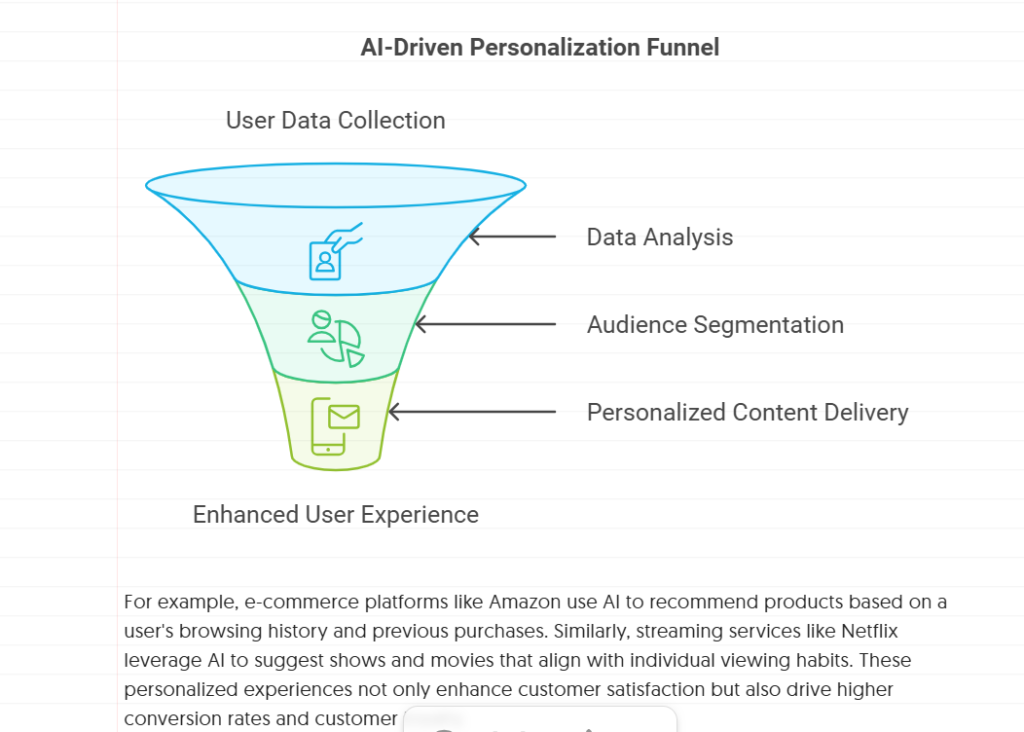
Personalization has become a key focus in digital marketing, as consumers increasingly expect tailored experiences. AI enables marketers to deliver personalized content and recommendations at scale. By analyzing user data, AI algorithms can segment audiences based on their interests, behaviors, and demographics.
For example, e-commerce platforms like Amazon use AI to recommend products based on a user’s browsing history and previous purchases. Similarly, streaming services like Netflix leverage AI to suggest shows and movies that align with individual viewing habits. These personalized experiences not only enhance customer satisfaction but also drive higher conversion rates and customer loyalty.
Chatbots and Customer Service Automation
AI-powered chatbots have transformed customer service in digital marketing. These virtual assistants can engage with customers in real-time, answering queries, providing product recommendations, and even processing orders. By automating customer interactions, businesses can improve response times and reduce operational costs.
Recent advancements in natural language processing have made chatbots more sophisticated, allowing them to understand and respond to complex queries. For instance, companies like Drift and Intercom offer AI-driven chat solutions that can handle multiple customer interactions simultaneously, ensuring that no query goes unanswered.
Predictive Analytics for Better Decision-Making
Predictive analytics is another area where AI is making a significant impact in digital marketing. By analyzing historical data and identifying trends, AI algorithms can forecast future outcomes, enabling marketers to make proactive decisions.
For example, predictive analytics can help businesses identify potential churn risks among customers, allowing them to implement retention strategies before it’s too late. Additionally, marketers can use predictive models to optimize ad spend by determining which channels are likely to yield the highest return on investment.
AI-Driven Content Creation
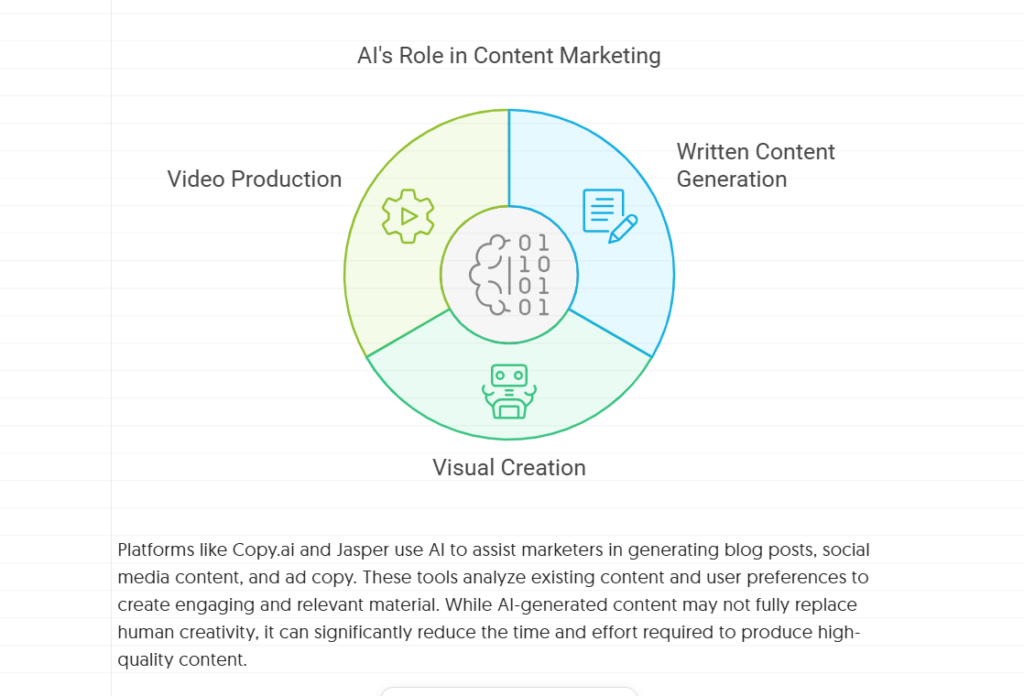
Content marketing remains a cornerstone of digital marketing strategies, and AI is playing an increasingly important role in content creation. AI tools can generate written content, create visuals, and even produce videos, streamlining the content creation process.
Platforms like Copy.ai and Jasper use AI to assist marketers in generating blog posts, social media content, and ad copy. These tools analyze existing content and user preferences to create engaging and relevant material. While AI-generated content may not fully replace human creativity, it can significantly reduce the time and effort required to produce high-quality content.
Programmatic Advertising
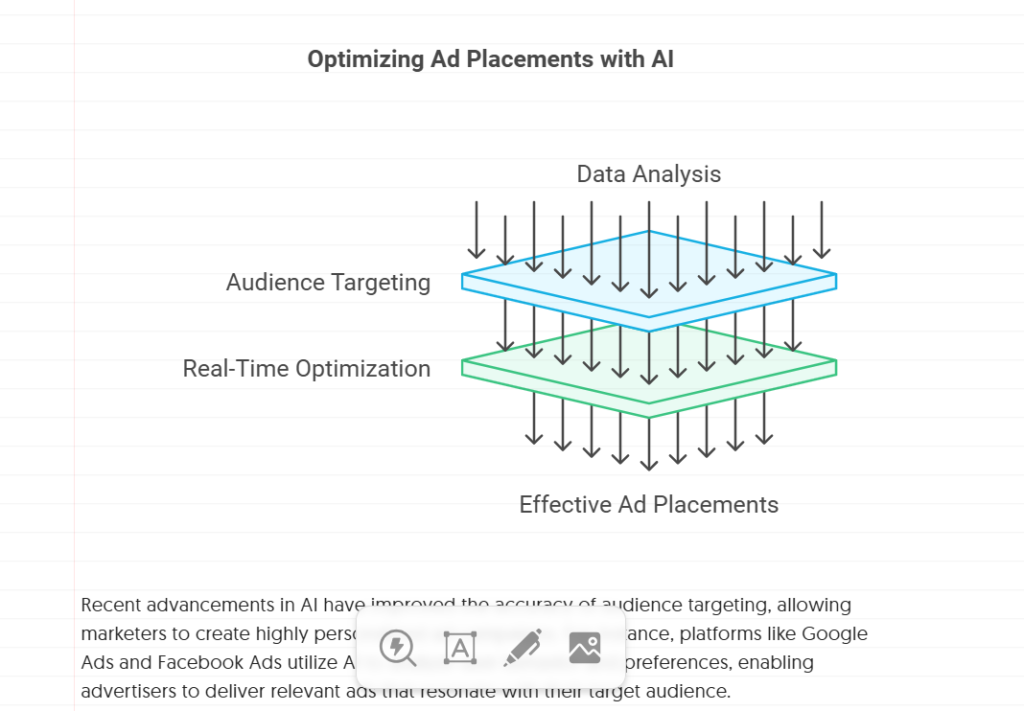
Programmatic advertising is another area where AI is making waves. This automated approach to buying and selling ad space uses AI algorithms to analyze data and optimize ad placements in real-time. By leveraging machine learning, programmatic advertising platforms can target specific audiences more effectively, ensuring that ads reach the right people at the right time.
Recent advancements in AI have improved the accuracy of audience targeting, allowing marketers to create highly personalized ad campaigns. For instance, platforms like Google Ads and Facebook Ads utilize AI to analyze user behavior and preferences, enabling advertisers to deliver relevant ads that resonate with their target audience.
Voice Search Optimization
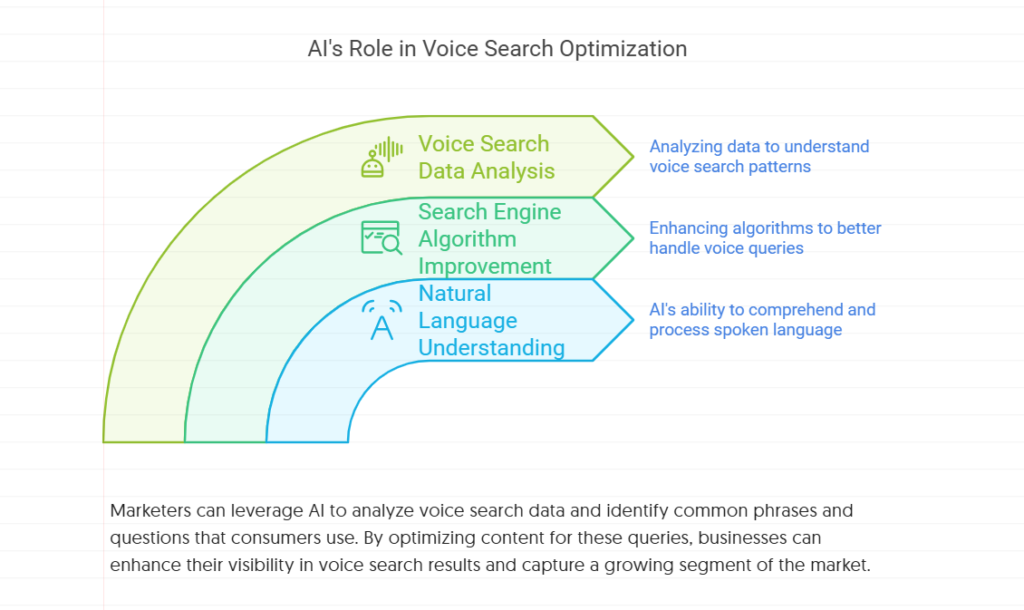
With the rise of voice-activated devices like Amazon Echo and Google Home, optimizing for voice search has become essential for digital marketers. AI plays a crucial role in understanding natural language and improving search engine algorithms to accommodate voice queries.
Marketers can leverage AI to analyze voice search data and identify common phrases and questions that consumers use. By optimizing content for these queries, businesses can enhance their visibility in voice search results and capture a growing segment of the market.
Ethical Considerations and Challenges
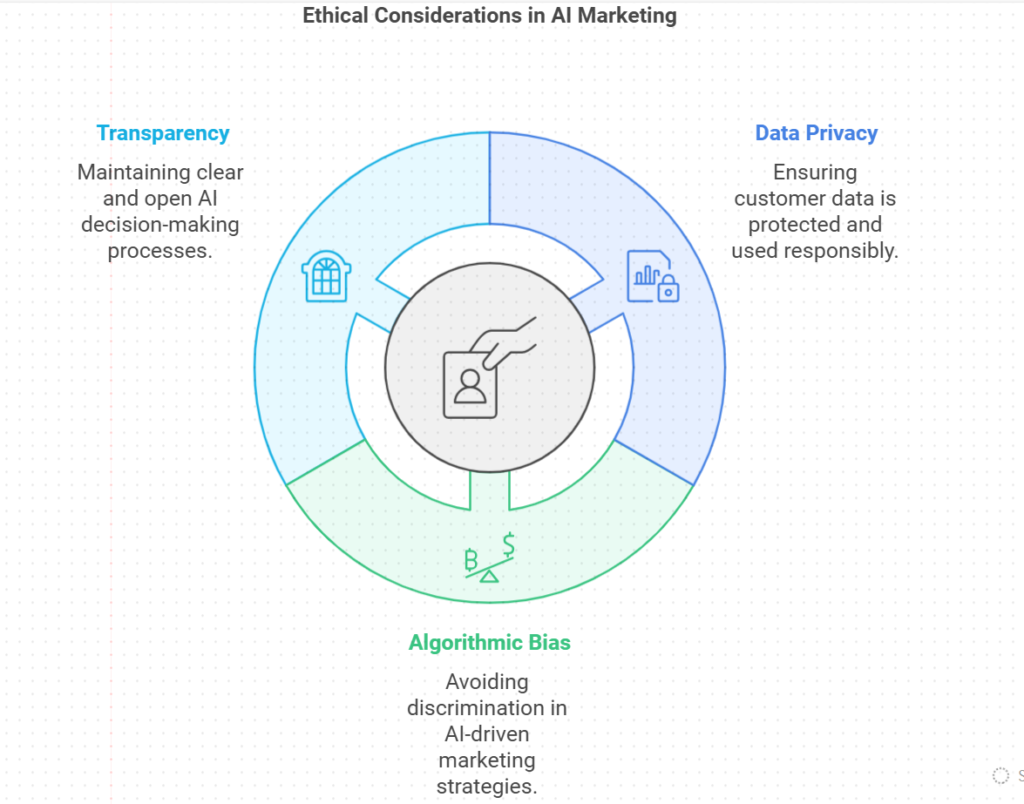
While the benefits of AI in digital marketing are substantial, there are also ethical considerations and challenges that marketers must address. Issues such as data privacy, algorithmic bias, and transparency in AI decision-making are critical concerns that require careful attention.
Marketers must ensure that they are using customer data responsibly and transparently, adhering to regulations such as GDPR and CCPA. Additionally, businesses should strive to create AI systems that are fair and unbiased, avoiding discrimination in targeting and content delivery.
Conclusion
The role of AI in digital marketing is continually evolving, with new inventions and additions reshaping the landscape. From enhanced data analysis and personalization to chatbots and predictive analytics, AI technologies are empowering marketers to create more effective and efficient campaigns. As businesses embrace these innovations, they must also navigate the ethical considerations that come with AI adoption. By leveraging AI responsibly, marketers can unlock new opportunities for growth and deliver exceptional customer experiences in the digital age.