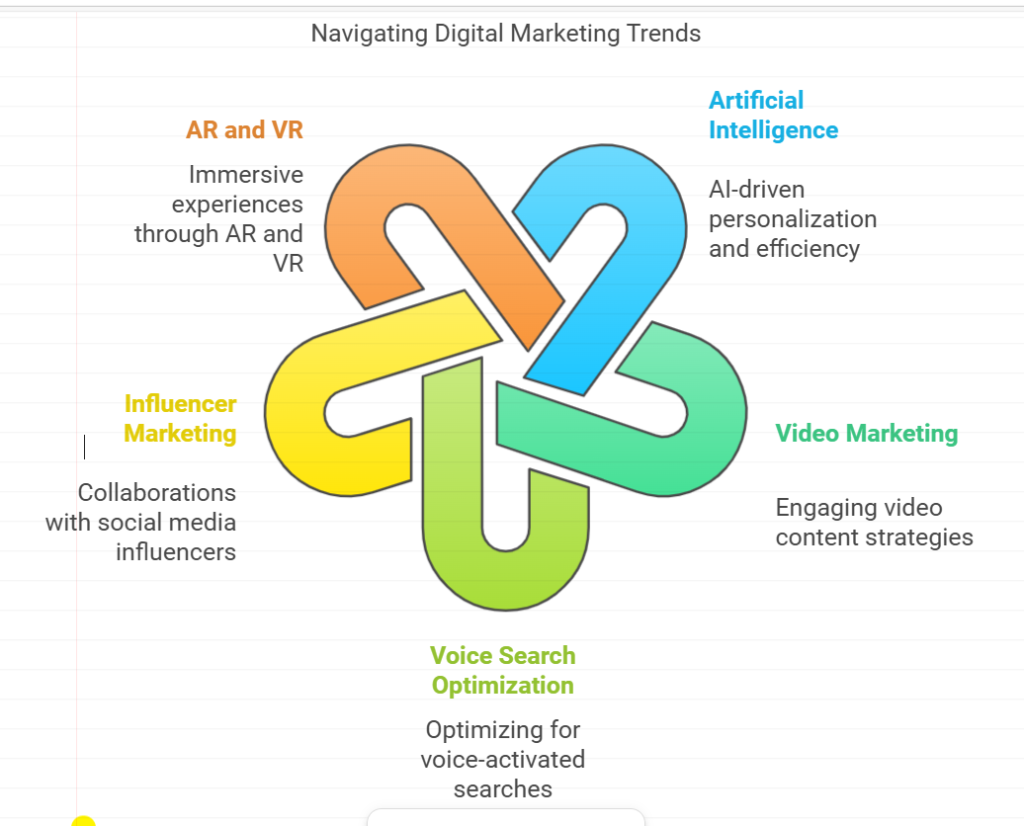
In the ever-evolving landscape of digital marketing, staying ahead of the curve is crucial for businesses aiming to maintain a competitive edge. As technology advances and consumer behavior shifts, marketers must adapt their strategies to meet new challenges and opportunities. This blog explores the latest trends in digital marketing, highlighting innovative approaches and tools that are shaping the future of the industry.
The Rise of Artificial Intelligence (AI)
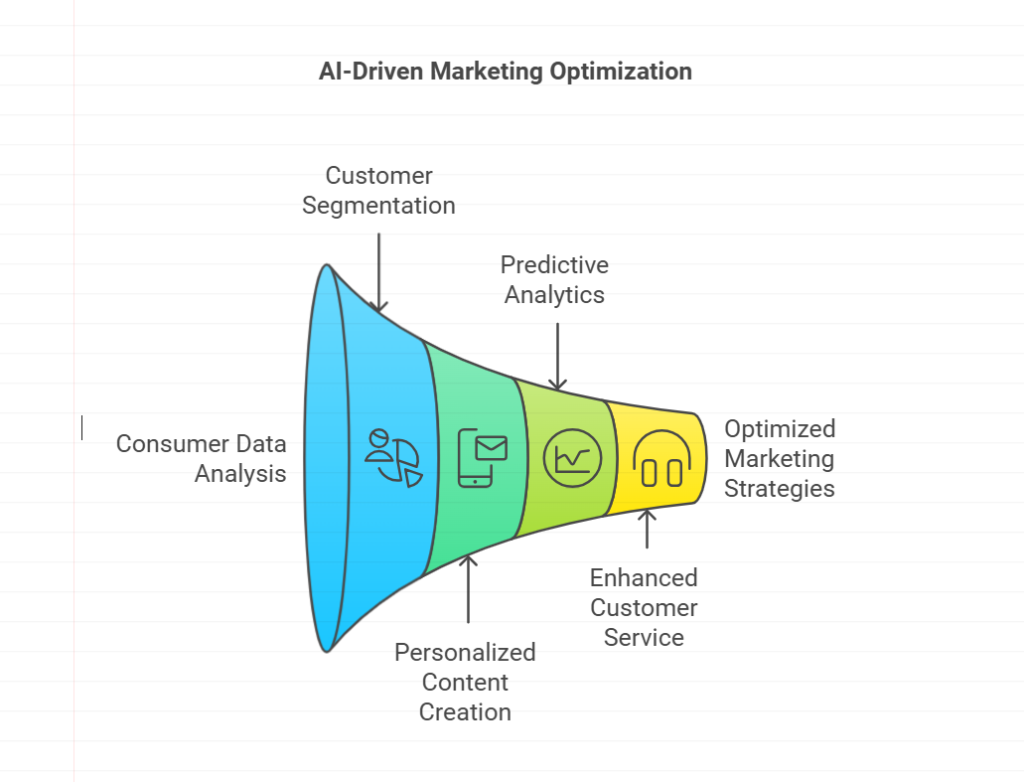
Artificial Intelligence is transforming digital marketing by enabling businesses to analyze vast amounts of data and gain insights into consumer behavior. AI-powered tools can automate tasks such as customer segmentation, personalized content creation, and predictive analytics. For instance, chatbots are increasingly being used to enhance customer service, providing instant responses to inquiries and improving user experience. Moreover, AI algorithms can analyze user interactions to tailor marketing messages, ensuring that they resonate with the target audience.
Personalization At Scale
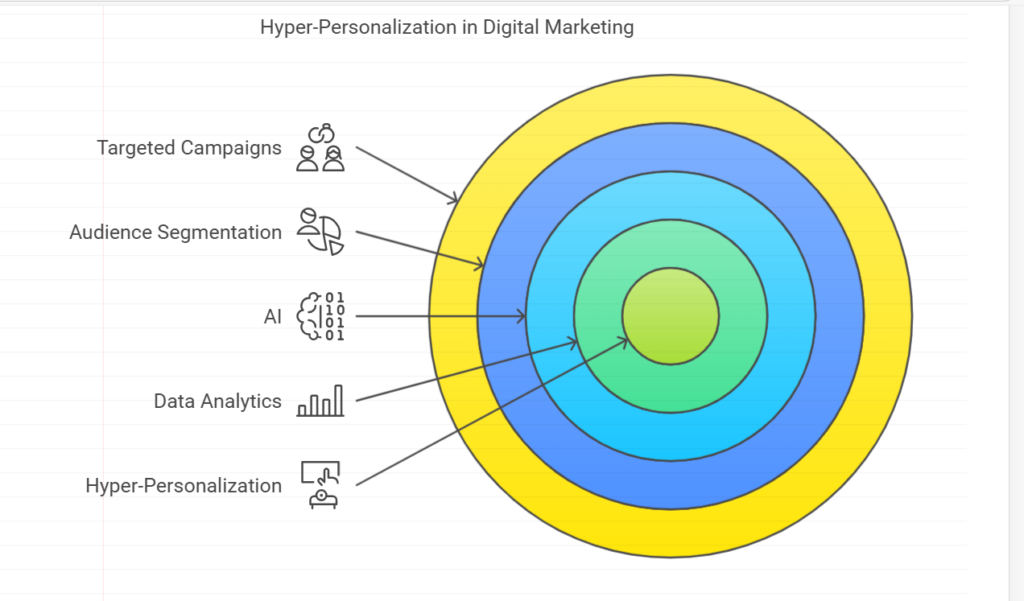
Consumers today expect personalized experiences, and digital marketing is no exception. The trend towards hyper-personalization is driven by data analytics and AI, allowing marketers to create tailored content that speaks directly to individual preferences. By leveraging customer data, businesses can segment their audience and deliver targeted campaigns that increase engagement and conversion rates. For example, email marketing platforms now offer advanced segmentation features, enabling marketers to send personalized messages based on user behavior and demographics.
Video Marketing Dominance
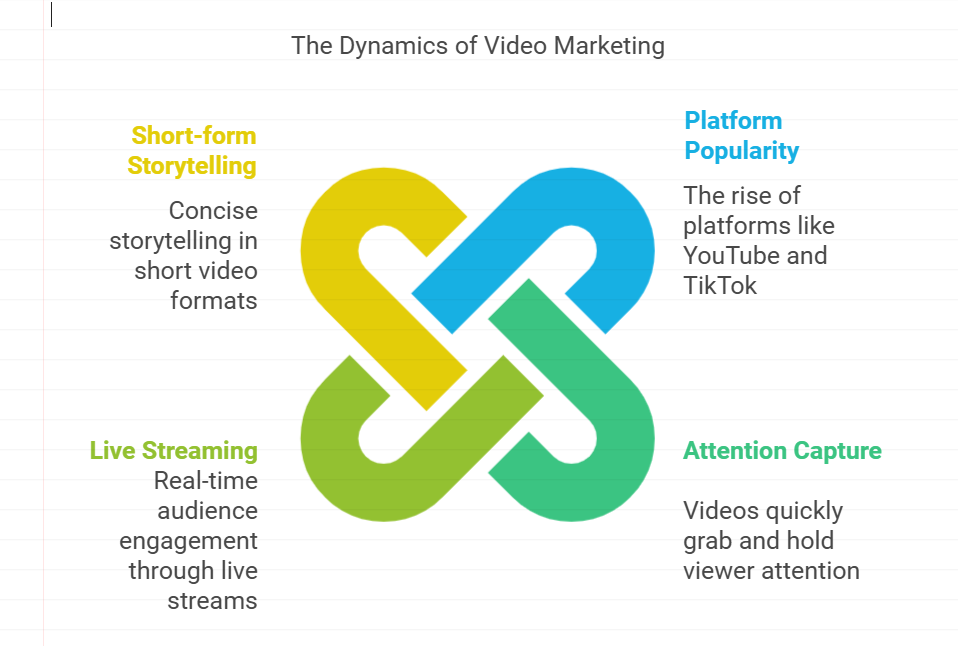
Video content continues to dominate the digital marketing landscape, with platforms like YouTube, TikTok, and Instagram Reels gaining immense popularity. Video marketing is effective because it captures attention quickly and conveys information in an engaging manner. Brands are increasingly using live streaming to connect with their audience in real-time, fostering a sense of community and authenticity. Additionally, short-form videos are becoming a preferred format for storytelling, allowing brands to communicate their message succinctly while keeping viewers engaged.
Interactive Content
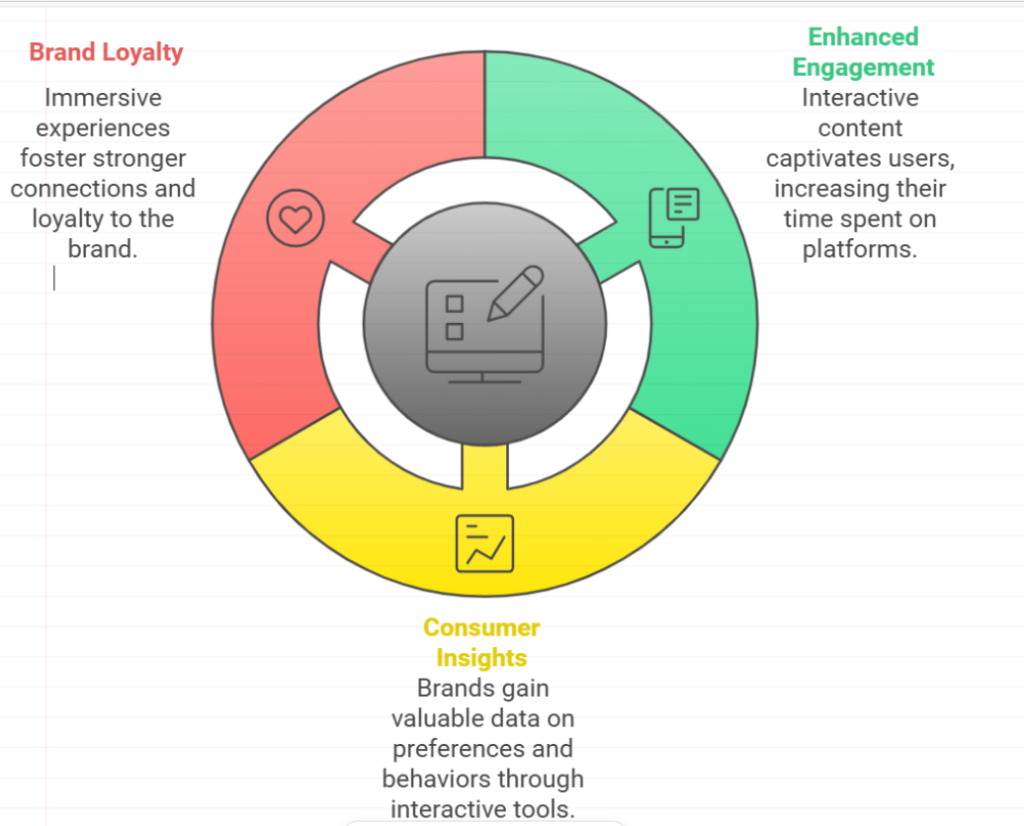
Interactive content is another trend gaining traction in digital marketing. This includes quizzes, polls, surveys, and interactive infographics that encourage user participation. Interactive content not only enhances user engagement but also provides valuable insights into consumer preferences and behavior. By creating immersive experiences, brands can foster a deeper connection with their audience, leading to increased brand loyalty and advocacy.
Impact Of Interactive Content
Voice Search Optimization
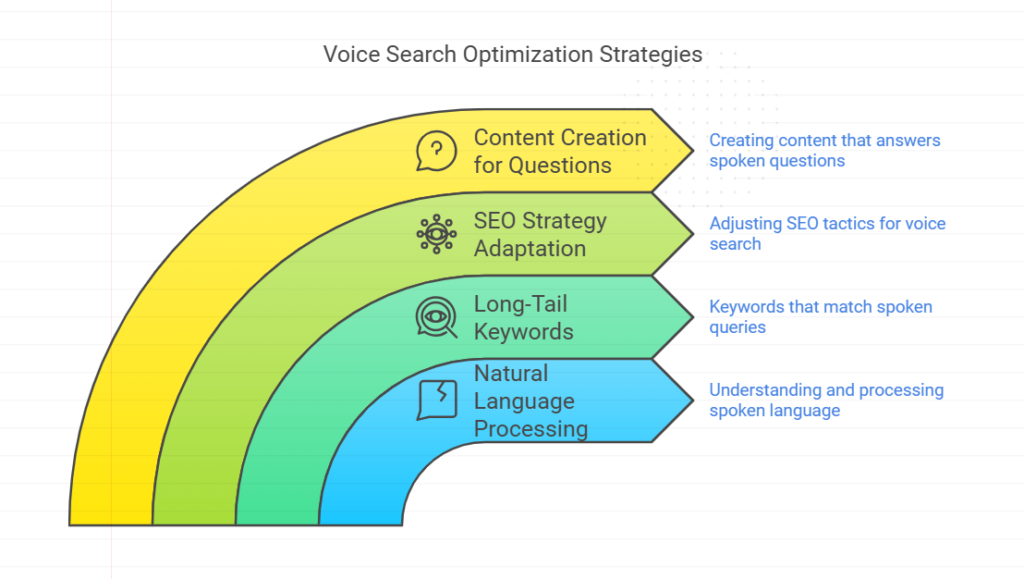
With the rise of smart speakers and voice-activated devices, optimizing for voice search has become essential for digital marketers. Consumers are increasingly using voice commands to search for information, making it crucial for businesses to adapt their SEO strategies. This involves focusing on natural language processing and long-tail keywords that align with how people speak. Marketers should also consider creating content that answers common questions, as voice search often involves queries phrased as questions.
Sustainability And Ethical Marketing
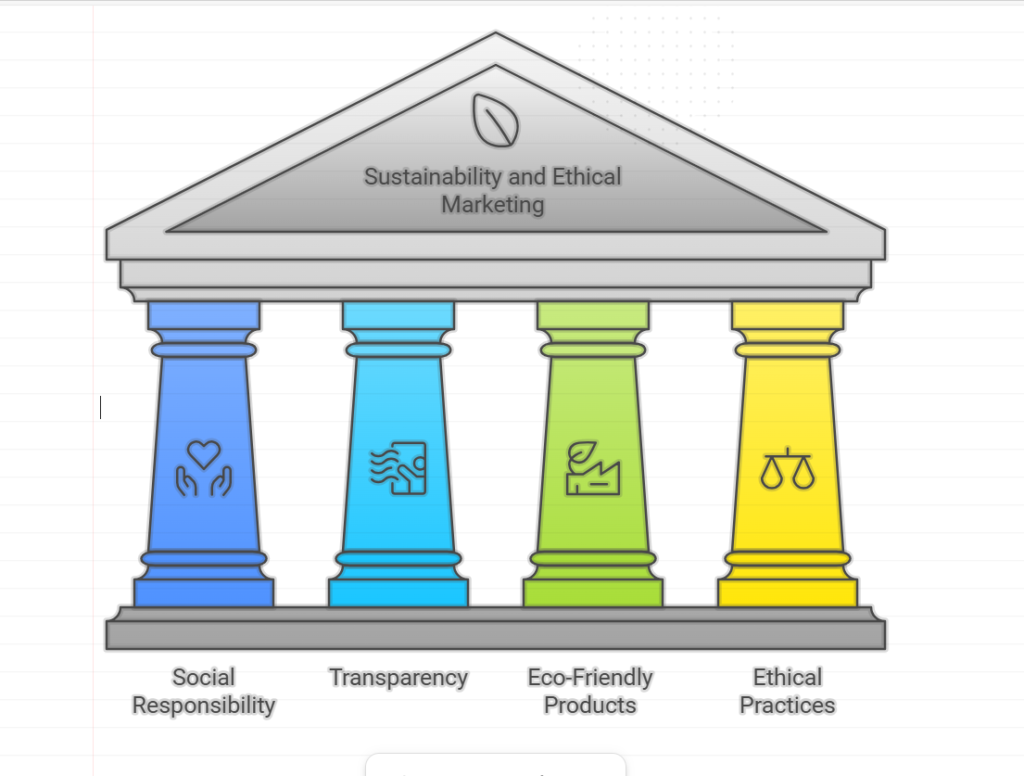
As consumers become more environmentally conscious, sustainability and ethical marketing practices are gaining importance. Brands that prioritize social responsibility and transparency are more likely to resonate with their audience. Digital marketing strategies that highlight a brand’s commitment to sustainability can enhance brand reputation and foster customer loyalty. This trend is evident in the rise of eco-friendly products and initiatives, as well as the use of social media to promote ethical practices.
Influencer Marketing Evolution
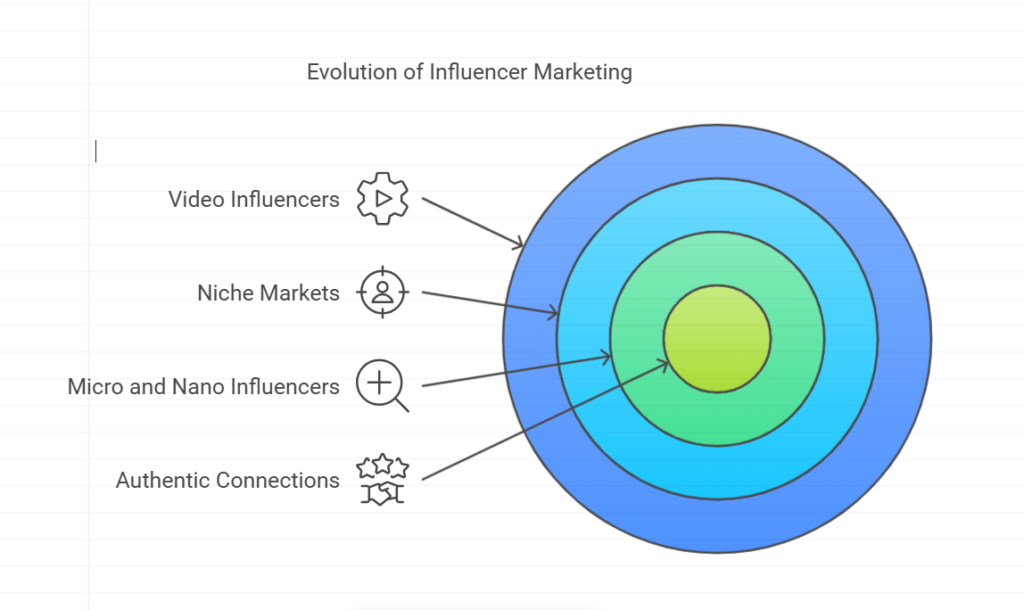
Influencer marketing continues to evolve, with brands shifting their focus from celebrity endorsements to micro and nano influencers. These influencers often have smaller but highly engaged audiences, making them more relatable and trustworthy. Collaborating with micro-influencers allows brands to tap into niche markets and create authentic connections with potential customers. Additionally, the rise of video content has led to the emergence of video influencers, who leverage platforms like TikTok and Instagram to reach their audience effectively.
Data Privacy and Compliance
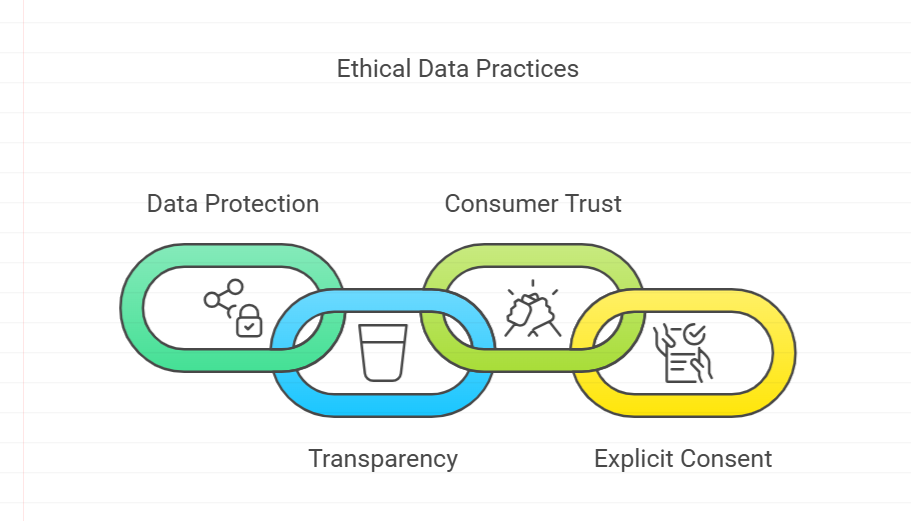
As digital marketing becomes increasingly data-driven, concerns about data privacy and compliance are on the rise. With regulations such as GDPR and CCPA in place, marketers must prioritize data protection and transparency. Building trust with consumers is essential, and brands that prioritize ethical data practices are more likely to succeed in the long run. Marketers should focus on obtaining explicit consent for data collection and be transparent about how consumer data is used.
Augmented Reality (AR) & Virtual Reality (VR)
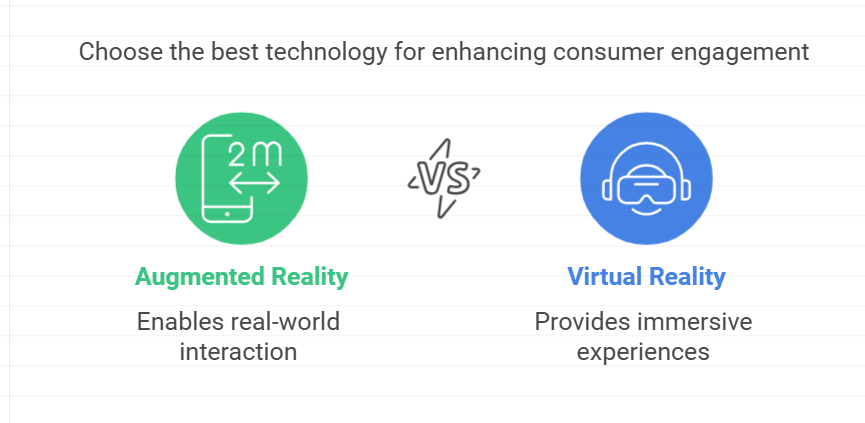
Augmented Reality and Virtual Reality are revolutionizing the way brands engage with consumers. AR allows users to interact with digital elements in the real world, while VR creates immersive experiences that transport users to different environments. Brands are leveraging AR and VR to enhance product demonstrations, provide virtual try-ons, and create engaging marketing campaigns. For example, beauty brands are using AR to allow customers to virtually try on makeup products before making a purchase.
The Importance of Omnichannel Marketing
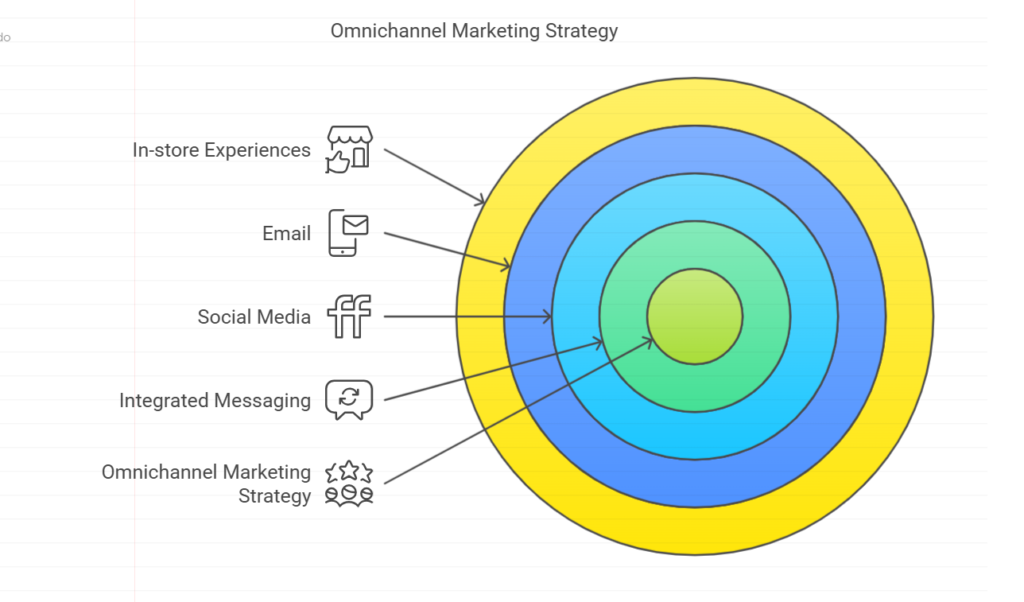
In today’s digital landscape, consumers interact with brands across multiple channels, making omnichannel marketing essential. An effective omnichannel strategy ensures a seamless and consistent experience for customers, regardless of the platform they use. Marketers should focus on integrating their messaging and branding across various channels, including social media, email, websites, and in-store experiences. By providing a cohesive experience, brands can enhance customer satisfaction and drive conversions.
Conclusion
The digital marketing landscape is constantly evolving, driven by technological advancements and changing consumer preferences. To stay competitive, businesses must embrace the latest trends and adapt their strategies accordingly. From leveraging AI for personalization to embracing video content and interactive experiences, the opportunities for innovation are vast. By keeping a pulse on these trends and prioritizing ethical practices, brands can build meaningful connections with their audience and drive long-term success in the digital realm. As we move forward, the ability to adapt and innovate will be the key to thriving in the dynamic world of digital marketing.